/ 01
Business and Engineering Alignment
Translate technical options into customer impact, cost, risk, timing, reversibility, and evidence so founders, product leaders, and engineers can act on the same priorities.
A Fractional CTO gives a company recurring senior technology leadership at a defined level of availability without immediately creating a full-time executive position. The service is useful when product and business decisions depend on architecture, engineering delivery, security, people, vendors, cloud cost, or technical evidence—and no current leader has both the mandate and capacity to connect them.
The work begins with a business event, not a title: delivery has become unreliable; growth is exposing weak product boundaries; a founder is spending too much time coordinating engineers; security or operational risks lack an owner; investors or a buyer need credible technical evidence; a vendor relationship is failing; or the company needs temporary leadership while hiring. The Fractional CTO should turn that event into decisions, accountable work, and capability that remains inside the organization.
Our relevant context includes SaaS, FinTech and payment products, Angular and NestJS applications, databases, integrations, cloud infrastructure, and Azure architecture and modernization. A bounded product and architecture audit may be the right first step when the current state is still unclear.
A Fractional CTO fits when the company needs recurring cross-functional technical decisions but the demand does not yet justify a continuously present executive. Typical signals include:
The model is unsuitable when the need is simply more feature capacity, daily people management for a large organization, a one-off specialist answer, or permanent executive presence. Those needs call for a delivery team, Engineering Manager, consultant, interim executive, or full-time CTO.
Define success as changed organizational behavior and product evidence. Useful outcomes can include a technology roadmap connected to revenue and customer priorities; faster closure of material decisions; reliable release and recovery practices; an architecture that supports the next product stage; contained security and operational risks; clearer ownership; stronger hiring; credible diligence evidence; and a team that can operate with less founder intervention.
Each priority needs a baseline, target, owner, evidence, guardrail, and review date. For delivery, that may combine lead time, change failure, recovery, blocked work, and forecast accuracy. For reliability, use critical-journey objectives, incident patterns, restore tests, and capacity evidence. For architecture, record the decision, alternatives, constraints, migration sequence, and observable acceptance. For team effectiveness, examine ownership, decision latency, hiring progress, retention risks, and the ability to operate without a single expert.
Do not promise a fixed transformation before discovery. Outcomes depend on the product stage, access, team capability, technical condition, commercial deadlines, and willingness to execute. A credible Fractional CTO makes uncertainty explicit, narrows it with evidence, and tells leaders when the mandate, allocation, or model is insufficient.
The mandate can span several areas, but authority must be explicit:
Write what the Fractional CTO may decide, recommend, approve, block, delegate, and escalate. Name the internal accountable sponsor and the owners of product, engineering, security, finance, people, and vendors. Without authority, the role becomes optional advice; without an internal sponsor, the company can become dependent on an external leader.
The working set may include a current-state assessment, threat and risk register, architecture map, decision records, a 30/60/90-day roadmap, delivery and release model, service objectives, capacity and cost model, responsibility map, hiring scorecards, vendor review, due-diligence evidence pack, incident and recovery improvements, and concise updates for founders, boards, or investors.
The number of documents is not a measure of value. Every artifact should close a decision, make an assumption testable, assign ownership, guide execution, preserve organizational memory, or transfer capability. A roadmap without capacity and dependencies is a wish list. An architecture diagram without decisions and failure behavior is decoration. A risk register without owners, deadlines, acceptance, and verification is inventory.
Store working material in company-controlled systems and keep it current through the operating cadence. Link important recommendations to source evidence and record rejected alternatives. The final set is agreed after discovery, with audience, owner, review date, confidentiality, and acceptance defined for each deliverable.
Match the engagement to the shape of the decision:
Specify availability in operational terms: included allocation, meetings and preparation, asynchronous work, response targets, incident treatment, backup coverage, holidays, step-up rules, and approval for extra work. Define what stops when demand exceeds capacity. Scope, authority, communication rhythm, commercial interests, conflicts, acceptance, and exit should be agreed after discovery.
The first discussion should identify the business event, decisions that are stuck, deadlines, stakeholders, product and revenue priorities, team and vendor structure, current evidence, access limits, urgent risks, and the desired transfer of ownership. We then recommend the smallest format capable of producing trustworthy evidence and closing the decision.
Early work should protect operations while improving visibility. Urgent exposures may need containment before a full roadmap. Otherwise, establish a baseline, decision rights, risk and assumption logs, and a small set of priorities for the first 30, 60, and 90 days. Review them as evidence changes. The plan should say what will not be attempted, how progress is demonstrated, and which conditions require escalation or a different leadership model.
NEXXT: verified case records cover product strategy, UX research and design, SaaS frontend and backend work for workspace, project and task architecture, team roles, automation, AI agents, dashboards, notifications, administration, REST integrations, role-based access, real-time updates, and data visualization.
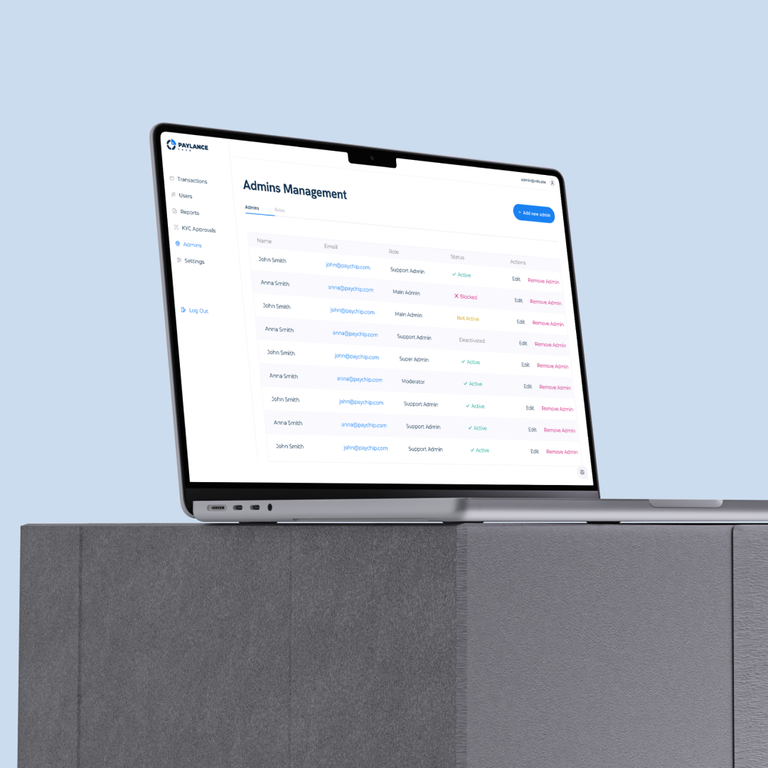
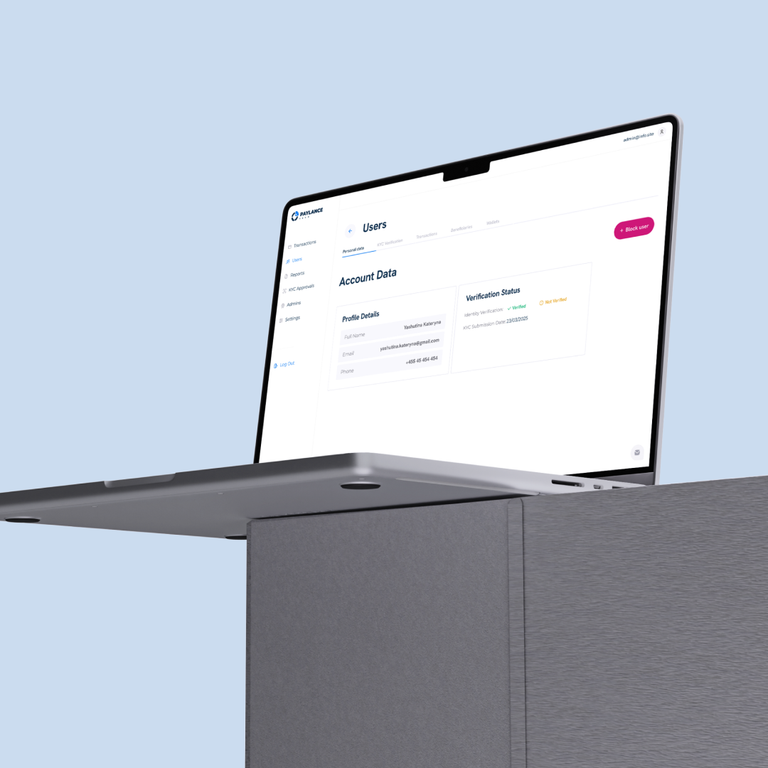
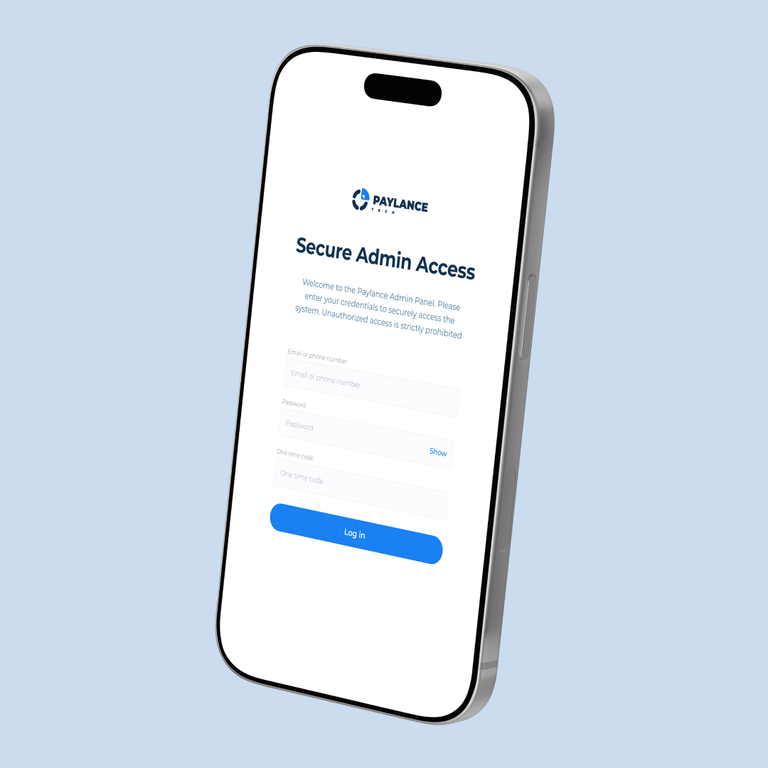
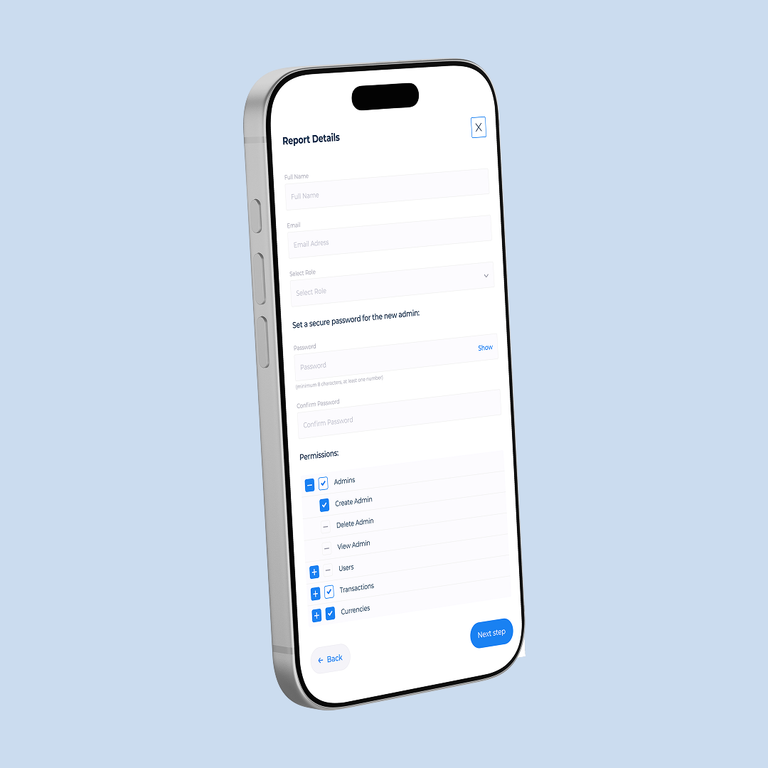
Paylance Admin: verified records cover product strategy, UX research and design, FinTech administration development, frontend, backend integration, and quality assurance across multi-tenant operations, KYC and KYB, accounts and wallets, cards and payments, provider routing, compliance monitoring, role-based access, and audit logs.
These cases demonstrate work with relevant product and technical complexity. The available case evidence does not establish a separate Fractional CTO contract, personal executive accountability, leadership outcome, or engagement period, so we do not infer those claims. Prospective clients should evaluate the proposed individual mandate, availability, evidence, and references rather than transfer assumptions from a case study.
A Fractional CTO provides recurring business-side technology accountability at contracted availability before a permanent executive is justified. A full-time CTO provides continuous executive presence and broad organizational ownership. An interim CTO temporarily fills that executive seat at higher intensity until a named transition. A technical consultant answers a bounded question without continuing ownership unless agreed. An Engineering Manager or Tech Lead owns daily people, execution, or technical practice in a defined area. A development agency owns an implementation scope; business-side technology governance must still be assigned.
The titles can overlap, so choose by responsibility. Test the role against a disputed product priority, an incident, a senior hire, a vendor failure, and a board question. Who has the evidence, who decides, who executes, who communicates, and who remains accountable? A Fractional CTO does not replace product leadership, a security officer, an Engineering Manager, or a continuously present executive where those are required. The written boundary should make collaboration clear.
The first responsible step may be a product and architecture audit or a focused leadership discussion. A validated roadmap can lead to product scaling, SaaS development, or FinTech development. Implementation may involve Angular, NestJS, and Microsoft Azure, with quality automation and controlled deployment where risk requires them.
If GARNO.TECH proposes implementation after advising on the roadmap, we separate the leadership judgment from the delivery proposal. We state alternatives, assumptions, delivery ownership, capacity, price, acceptance evidence, repositories and accounts, and the client’s right to use another team. Implementation should occur in complete, observable slices with internal owners and knowledge transfer. The objective is to improve the organization’s ability to make and execute technology decisions, not create indefinite dependence on an external CTO.
Share the business event, decisions that are stuck, deadlines, product and team context, current evidence, expected authority and availability, implementation needs, and exit condition. GARNO.TECH will recommend the smallest responsible first engagement with explicit outcomes, boundaries, evidence, cadence, and ownership.
Research and development of AI-powered solutions to optimize business workflows and enhance decision-making processes.
Analysis of machine learning models for predictive analytics in finance, e-commerce, and SaaS platforms.
Exploration of natural language processing and computer vision technologies to strengthen automation, personalization, and customer support.
Understand which product and engineering constraints matter now through verifiable evidence, calibrated findings, practical options, and a sequenced technical roadmap with accountable owners.

9 min read
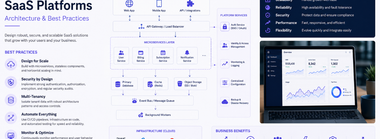
Design SaaS architecture around tenant lifecycle, isolation, entitlements, billing, data growth, reliability, security, delivery, observability, and operating cost per customer.
8 min read
Compare monoliths, modular monoliths, and microservices through delivery, domain boundaries, data, reliability, scaling, team ownership, cost, and migration evidence.

8 min read