/ 01
Delivery Is Slow or Unstable
Trace repeated delays, rework, regressions, and incidents across product decisions, architecture, code, environments, quality, dependencies, release controls, and ownership to find the governing constraint.
A useful software product audit reduces uncertainty around a real decision. It may explain why delivery slowed, whether an architecture can support growth, which security or reliability risks require action, what an investor is inheriting, whether a migration is justified, or how to transfer a product from a vendor. The output is not a list of everything imperfect. It is a defensible view of the current system, the constraints that matter, viable responses, and the order in which decisions should be made.
Begin with the decision, affected users and business capabilities, deadline, risk tolerance, available evidence, and people who own the result. State what is inside and outside scope, which environments may be accessed, whether active testing is allowed, how confidential data will be handled, and who can see raw evidence. An audit of a single performance bottleneck needs a different depth and safeguard model from acquisition due diligence or a broad security and delivery review.
Evidence comes from several directions: product and contractual commitments, architecture and data maps, repositories and representative changes, dependencies, tests and pipelines, cloud configuration, identity and access, dashboards and traces, incidents, support history, cost, delivery flow, interviews, and observed journeys. No single metric, code sample, or stakeholder account is conclusive. Strong findings triangulate sources, show the boundary of the claim, record confidence and missing evidence, and survive factual review by the people closest to the system.
Architecture and ownership. Trace critical user and operational journeys across applications, services, data, queues, providers, and teams. Examine capability boundaries, dependency direction, failure isolation, transaction and consistency rules, integration contracts, deployment units, and decision rights. The question is whether the structure supports today’s product and operating model—not whether it resembles a fashionable diagram.
Code and change safety. Sample consequential, ordinary, and incident-related changes rather than reviewing only a tidy module. Assess runtime validation, domain invariants, coupling, error handling, concurrency, resource lifecycle, dependency health, upgrade path, tests, review controls, build reproducibility, migration safety, and how quickly an engineer can connect a requirement to production behavior. Coverage percentages need context about assertions and risk.
Data, APIs, and integrations. Review ownership, schemas, integrity, authorization, tenant isolation, retention, privacy, backups, restoration, query and storage growth, versioning, idempotency, retry, timeout, rate limits, provider failure, and reconciliation. A technically available API can still be unsafe if clients cannot distinguish pending, rejected, duplicated, or stale outcomes.
Security, reliability, and performance. Model assets, actors, trust boundaries, attack and abuse paths, identities, privileges, secrets, audit, patching, and incident response. Connect load, latency, saturation, errors, availability, recovery, and capacity evidence to critical journeys. A product audit can identify security risks and recommend specialized testing; it is not automatically a penetration test, certification, or compliance attestation.
Cloud, delivery, quality, and organization. Inspect environment separation, infrastructure definitions, network paths, cost, CI/CD, artifact promotion, configuration, observability, alert ownership, release and rollback, device or browser coverage, product discovery, work flow, dependencies, support, on-call, vendor boundaries, documentation, and key-person risk. Slow delivery often emerges from this connected system rather than from code quality alone. For a narrower frontend review, see the Angular code audit checklist.
The executive view should answer the decision in plain language: current capability, material constraints, consequences, viable options, urgent containment, and the next decisions. It distinguishes verified facts, interpretations, assumptions, and unknowns. It also states scope limitations so absence of a finding is not mistaken for proof of safety.
The issue register makes each finding reviewable. A strong entry includes the observed condition, affected journey or asset, evidence and collection date, likelihood, consequence, confidence, existing controls, owner, recommended response, dependencies, effort range, acceptance evidence, and conditions that would change priority. Severity alone is not a roadmap: a lower-severity prerequisite may need to precede a critical remediation.
Relevant diagrams show current and target capability, data, identity, integration, deployment, and ownership boundaries without pretending that every box has equal importance. Options describe tradeoffs and rejected alternatives. Quick wins are included only when low risk and genuinely independent; “quick” work that changes identity, data, or production topology still needs proper controls.
The roadmap sequences containment, evidence gaps, enabling work, remediation, modernization, and capability transfer. It identifies decisions rather than turning uncertain work into false fixed estimates. Each initiative has an outcome, accountable owner with authority, first step, dependencies, range, risk, acceptance, review date, and stop or escalation condition. The final presentation is a working decision session, not a ceremonial delivery of slides.
Focused technical assessment. Use it for one consequential question with a bounded system and decision: why checkout latency increased, whether tenant isolation is credible, which database constraint limits growth, whether a cloud migration is justified, or how to replace a fragile component. The scope goes deep enough to reproduce or test the mechanism and returns options, evidence, and a responsible next step.
Full product audit. Use it when symptoms cross product, architecture, code, data, security, infrastructure, quality, delivery, and ownership, or leadership needs a shared current-state view before a roadmap. Breadth does not mean superficial checklist coverage. Start with critical journeys and risk, then deepen investigation where evidence indicates consequence.
Technical due diligence support. Use it to inform investment, acquisition, partnership, or major financing. Align scope with the transaction thesis, materiality, access, timetable, and reliance rules. Examine product capability, architecture, security posture, data, intellectual-property and dependency indicators, team and vendor concentration, operations, scalability, cost, roadmap credibility, and integration risk. It supports a technical decision; it does not replace legal, financial, tax, privacy, regulatory, certification, or specialized penetration work.
An audit may also be staged. A short evidence review can define whether deeper security, performance, data, cloud-cost, code, or recovery testing is warranted. Active scans, load tests, production changes, social engineering, and destructive or intrusive techniques require explicit authorization, safety constraints, and recovery planning. The smallest responsible format answers the decision without collecting unnecessary sensitive data or creating avoidable operational risk.
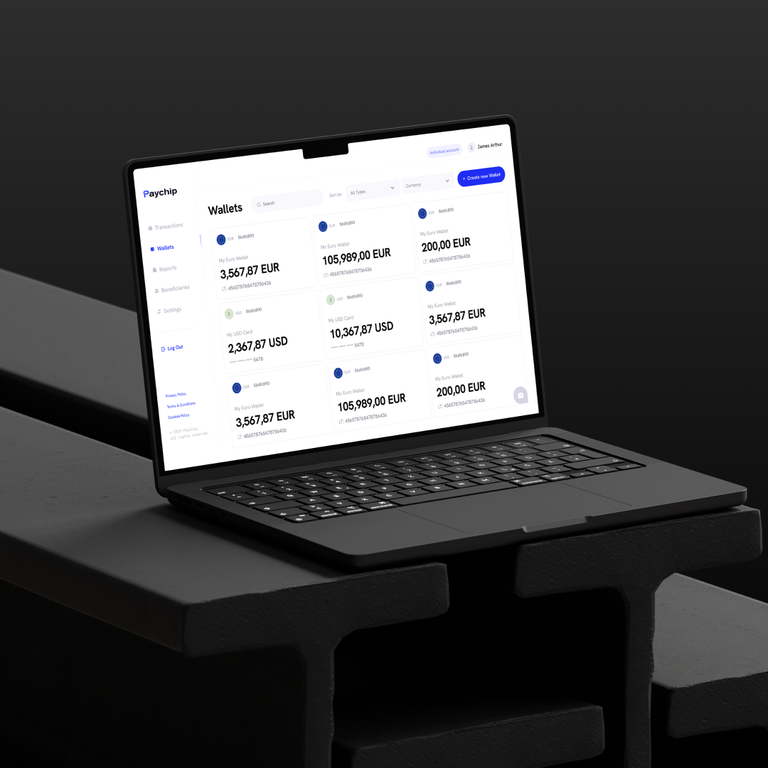
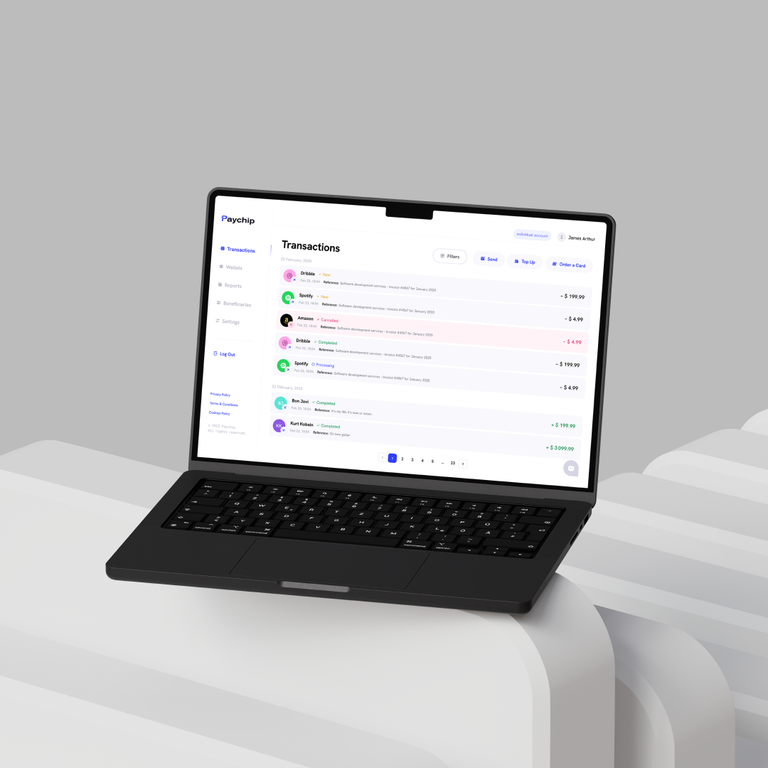
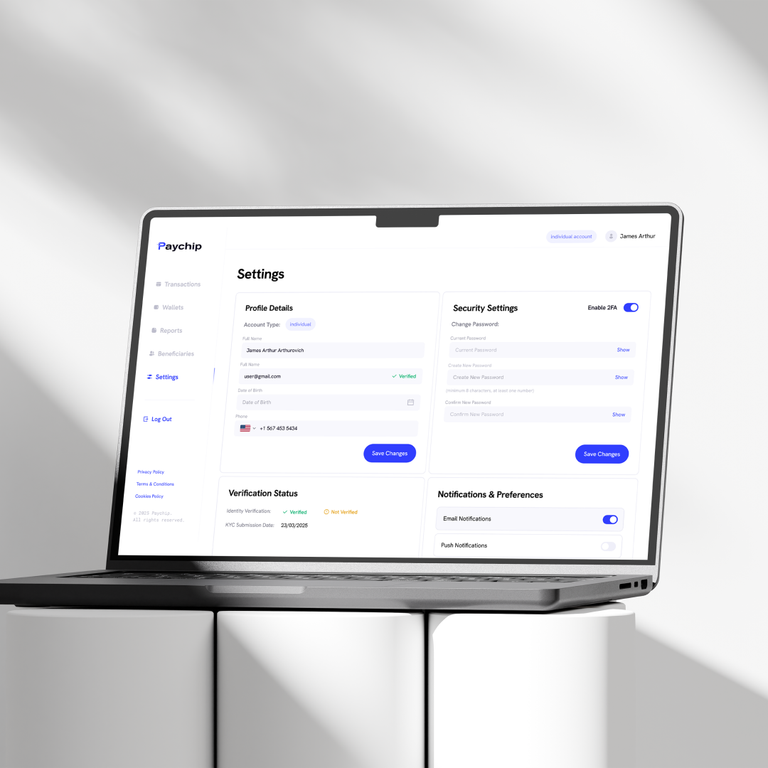
The case records below demonstrate GARNO.TECH experience with interconnected SaaS and FinTech products in which mobile and web journeys, identity, payments, data, APIs, cloud infrastructure, quality, and operations must work together. They establish bounded evidence about delivered roles and product complexity. They are not represented as clients that purchased a separate audit engagement, and no conclusion about an audit method should exceed what the case record supports.
The relevance lies in systems judgment: following a critical journey across interfaces and services, distinguishing a local defect from an architectural or operating mechanism, understanding regulated and high-consequence states, and translating technical evidence into a delivery decision. Audit credibility comes from the people performing the review and the comparable evidence they can show, not from a generic industry logo list.
The client may implement the roadmap independently, with the existing team or vendor, through several specialist partners, or with GARNO.TECH on a separately defined initiative. There is no implementation obligation. Findings, evidence references, diagrams, priorities, decision records, and handover material should be usable without the auditor. When the auditor may implement, disclose the commercial interest and keep recommendations tied to evidence so the assessment does not become a sales inventory.
Start implementation with urgent containment and missing evidence, then prerequisites that unlock several risks. Convert each roadmap item into an owned outcome with acceptance and recovery: rotate exposed credentials, restore a representative backup, bound a failing query, establish tenant authorization tests, make artifacts traceable, remove a dependency cycle, or rehearse an incident path. Avoid a horizontal “rewrite the platform” program when smaller vertical changes can prove value.
Review progress against the baseline with one leading indicator, one outcome, and one guardrail. A team may implement product scaling, Angular modernization, NestJS backend engineering, or Azure cloud development, but the technology initiative remains subordinate to the product result. Close or revise findings as new evidence appears; the roadmap is a decision instrument, not a frozen backlog.