NestJS Development Services for Backends That Must Keep Changing
NestJS Backend Engineering for Systems That Must Evolve Safely
NestJS is valuable when a TypeScript backend needs a shared application model for modules, dependency injection, request handling, validation, authentication, testing, background work, and adapters. The framework can reduce local invention across a growing codebase. It does not decide domain boundaries, data authority, authorization policy, transaction semantics, provider failure behavior, or production ownership; those remain engineering and product decisions.
We build and modernize backends for long-lived SaaS, FinTech, commerce, operational, and integration-heavy products. Work begins with the critical journey: who acts, which object and tenant are involved, what state transition is allowed, which record is authoritative, which side effects follow, and how an operator explains or repairs an incomplete result. This turns a technical engagement into a bounded business outcome.
A responsible scope includes more than endpoints. It defines data and trust boundaries, API and event contracts, migration and compatibility, performance and recovery targets, delivery controls, observability, support paths, and the client’s ability to own the result. We can take responsibility for a new capability, a constrained modernization, a technical risk, or additional team capacity—but the first step is always to identify the actual constraint and evidence.
Discuss the Backend Constraint Before Choosing the Engagement
Share the product, critical journeys, current backend, data, integrations, incidents, scale, team, and delivery constraints. We will identify the evidence needed and recommend a responsible first result.
NestJS Backend Development for Scalable Systems
Build or modernize a maintainable NestJS backend with clear architecture, reliable APIs, secure integrations and production-ready delivery.
01
Structured TypeScript backends for complex products
Maintainable backend foundations for long-lived business applications.
02
API and integration-heavy SaaS and FinTech experience
Backend delivery around complex workflows and external systems.
03
Backend, Angular and Azure delivery in one team
Connected product delivery across application layers.
What We Build with NestJS
NestJS can support customer-facing APIs, internal application services, multi-tenant SaaS, payment and financial workflows, commerce operations, marketplaces, partner portals, administration, reporting, notification systems, real-time collaboration, and integration hubs. The common need is not a particular protocol. It is durable business behavior that several people can change without losing control of permissions, data, side effects, and recovery.
For multi-tenant products, we model tenant lifecycle, membership, object-level authorization, configuration, limits, usage, billing, support access, data isolation, export, retention, and deletion. For financial or transactional products, we model idempotency, ordering, authoritative state, ledger or audit evidence, limits, reconciliation, disputes, late provider events, and operator repair. For workflow systems, we model roles, transitions, deadlines, approval, delegation, notification, escalation, and traceability.
Start with the smallest coherent capability that can be operated responsibly. A first release still needs honest state, server-side authorization, input and output validation, controlled side effects, useful errors, monitoring, deployment, and recovery. Removing a secondary feature reduces scope. Omitting the controls required to explain or repair the primary journey merely moves cost and risk into production.
- REST and GraphQL APIs: versioned, authorized, validated, observable contracts for web, mobile, partner, and internal consumers.
- SaaS and multi-tenant platforms: tenant lifecycle, membership, isolation, configuration, usage, billing, support access, export, and deletion.
- FinTech and payment systems: transactional states, idempotency, limits, evidence, provider events, reconciliation, disputes, and operator repair.
- Commerce and marketplaces: catalogue, pricing, orders, payments, inventory, sellers, fulfillment, returns, payouts, and operational integrations.
- CRM, ERP, and workflow systems: role-sensitive processes, approvals, deadlines, evidence, reporting, exception queues, and controlled overrides.
- Real-time and asynchronous products: notifications, chat, live state, background jobs, queues, scheduled work, resumability, ordering, and backpressure.
NestJS Services Shaped Around the Actual Constraint
- New NestJS capabilities: discovery, domain design, data, implementation, tests, delivery, observability, and handover for a bounded product result.
- API engineering: REST, GraphQL, WebSocket, events, documentation, compatibility, authorization, performance, and consumer integration.
- Backend modernization: characterization, seams, supported dependencies, data migration, incremental replacement, traffic control, and legacy retirement.
- Architecture and production review: boundaries, data authority, security, runtime evidence, delivery, recovery, ownership, and prioritized remediation.
- Integration engineering: provider contracts, authentication, webhooks, mapping, retries, reconciliation, telemetry, incident escalation, and exit.
- Modular and event-driven systems: capability boundaries, durable messages, idempotency, ordering, replay, failure isolation, and operational ownership.
- Security, reliability, and performance: threat-led controls, authorization, load evidence, database tuning, resilience, observability, and recovery.
- Ongoing backend ownership: roadmap delivery, incident learning, upgrades, provider change, capacity planning, cost control, and knowledge transfer.
When Companies Bring in Our NestJS Team
We help when architecture, integrations, reliability, expertise gaps, legacy code or production controls are limiting product delivery.
01
Backend architecture limits product growth
Module boundaries, data access or infrastructure constraints make new product work slower and riskier.
02
Integrations are difficult to maintain
Payment, identity, CRM, messaging or other provider integrations need explicit contracts, adapters and failure handling.
03
API performance or reliability affects users
Slow responses, unstable dependencies and recurring production failures require focused diagnosis and measurable controls.
04
The internal team lacks senior NestJS expertise
Experienced engineers can strengthen architecture decisions, reviews, testing and production ownership inside the existing team.
05
A legacy Node.js backend needs modernization
Modernize incrementally toward clearer modules, typed contracts, automated tests and controlled releases.
06
The product needs stronger security and production controls
Strengthen authentication, authorization, auditability, observability, deployment and recovery without stopping product delivery.
Design Security, Scale, and Operability into the Architecture
Organize the application around business capabilities with narrow public interfaces. Keep controllers focused on transport, application services on use-case coordination, domain code on policy and state transitions, and adapters on infrastructure or provider details. Enforce dependency direction with project boundaries, lint rules, tests, and code ownership. A modular monolith is a sound default; split deployment only when ownership, scale, isolation, or release evidence repays distributed contracts and operations.
Authentication establishes an identity; authorization decides whether that identity may perform an action on this tenant and object. Enforce authorization on the server for every operation, including administrative and background paths. Validate and normalize untrusted input at the boundary, constrain output, protect secrets and tokens, isolate privileged access, secure files and outbound requests, govern dependencies, and preserve audit evidence without leaking sensitive values into logs.
Scale from measured constraints. Profile database queries, pool saturation, locks, serialization, event-loop delay, memory, payloads, downstream latency, and queue age before adding caches or services. Use indexes and query plans, pagination and bounds, backpressure, concurrency limits, explicit timeouts, safe retries with jitter, idempotency, bulk operations, and durable asynchronous work where each addresses observed behavior. A cache needs ownership, freshness, invalidation, identity boundaries, and a degraded mode.
Design production operation with the code. Define service-level indicators for critical journeys, structured errors, correlation and trace context, metrics, logs, alerts, dashboards, runbooks, on-call authority, backup restoration, and rollback or safe roll-forward. Minimize personal and secret data at telemetry collection. A successful deployment is not proof of reliability; the system must show whether the business transition completed and how to recover when it did not.
Build APIs and Integrations as Durable Product Contracts
Choose REST, GraphQL, WebSocket, messaging, or scheduled work from consumer needs and failure semantics. REST often suits resource and workflow APIs with explicit caching and HTTP behavior. GraphQL can serve clients that need flexible composed reads, but requires query-cost controls, authorization at every resolver path, batching, observability, and a plan for schema evolution. WebSocket supports live interaction while adding connection identity, resumption, ordering, fan-out, and backpressure concerns.
Treat every external interface as a versioned product contract. Define schemas, validation, error codes, pagination, filtering, idempotency, concurrency, timeouts, retries, rate limits, deprecation, compatibility, and examples. Generate machine-readable documentation where it helps, but test the semantics that a schema cannot express. Consumer-driven or provider contract tests are useful when teams release independently; representative integration tests must still meet the real boundary.
Third-party integrations require more than an SDK call. Budget commercial and security review, credentials and rotation, sandbox limitations, webhook verification, duplicate and out-of-order events, rate limits, provider outages, reconciliation, data mapping, version changes, support escalation, monitoring, and exit. Put provider-specific behavior behind an explicit adapter while preserving the business state the product owns. Never translate an unknown external outcome into success for convenience.
Database changes and events are contracts too. Use expand-and-contract migrations for compatibility, deploy readers before writers when needed, backfill observably, verify counts and invariants, and retain rollback or repair paths. For asynchronous work, define delivery guarantees, deduplication, ordering requirements, poison-message handling, retry budgets, dead-letter ownership, replay, and reconciliation. Exactly-once business effects come from idempotent design and evidence, not from a transport slogan.
Use Verifiable Product Evidence to Judge Experience
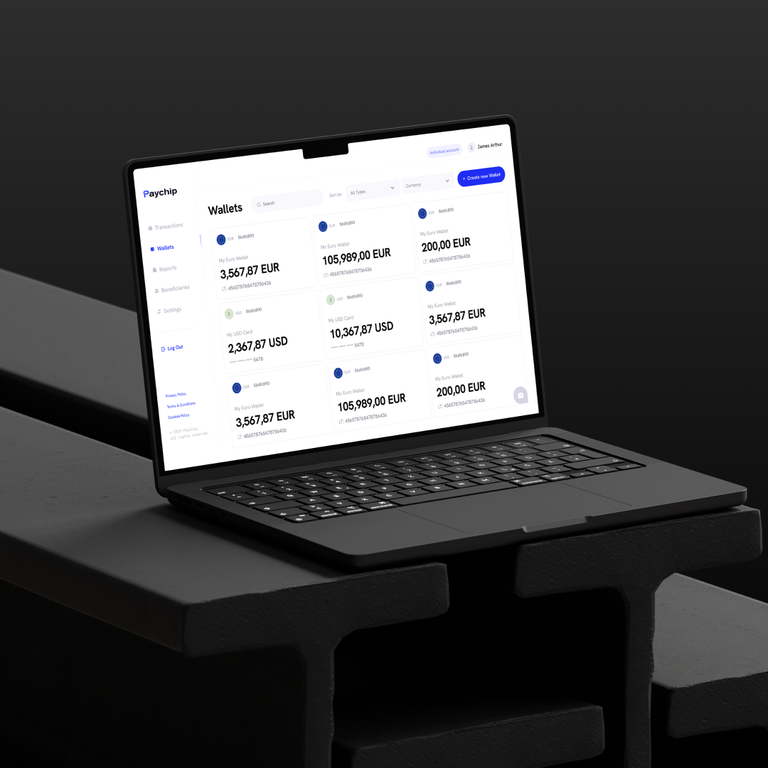
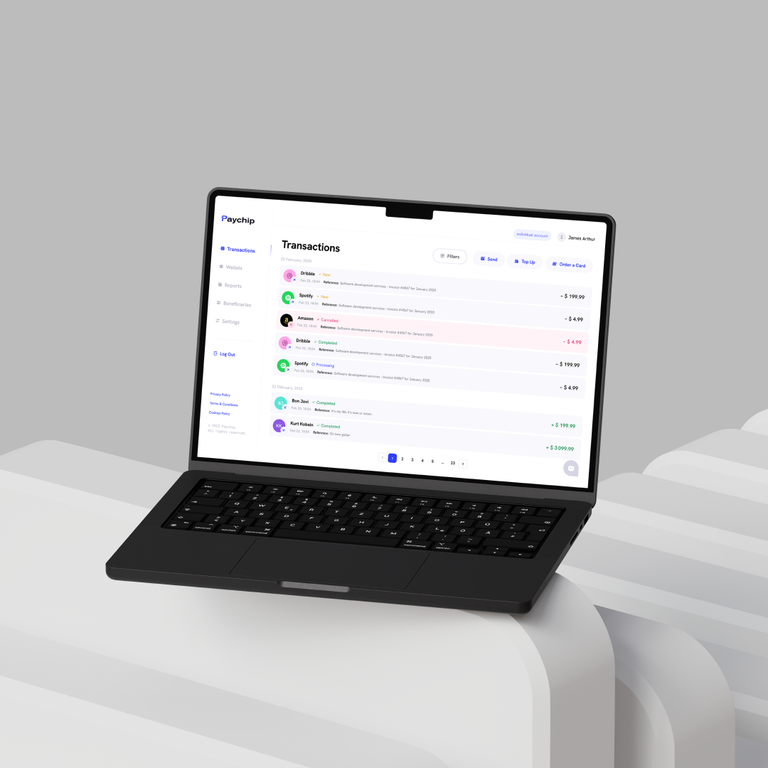
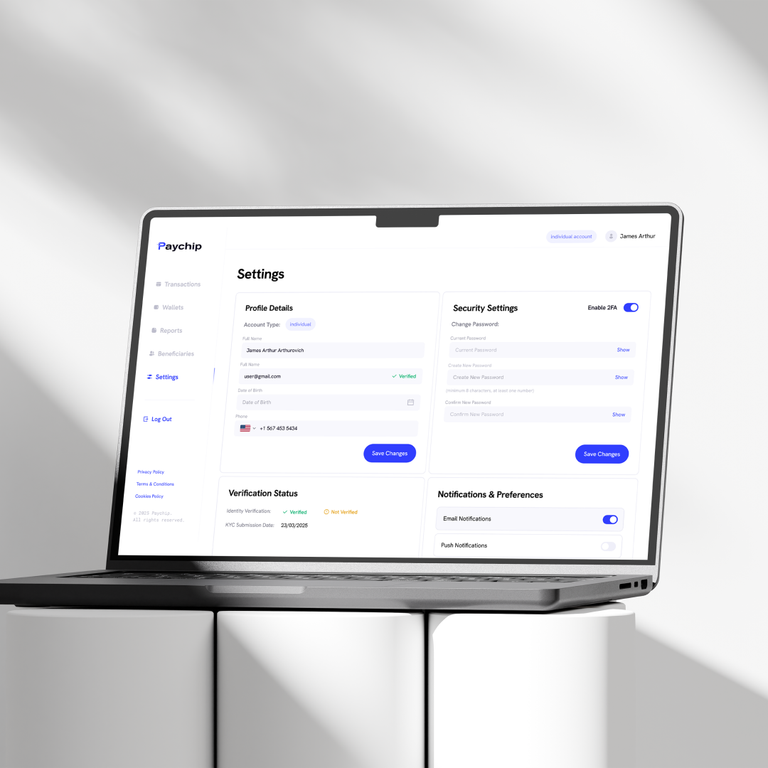
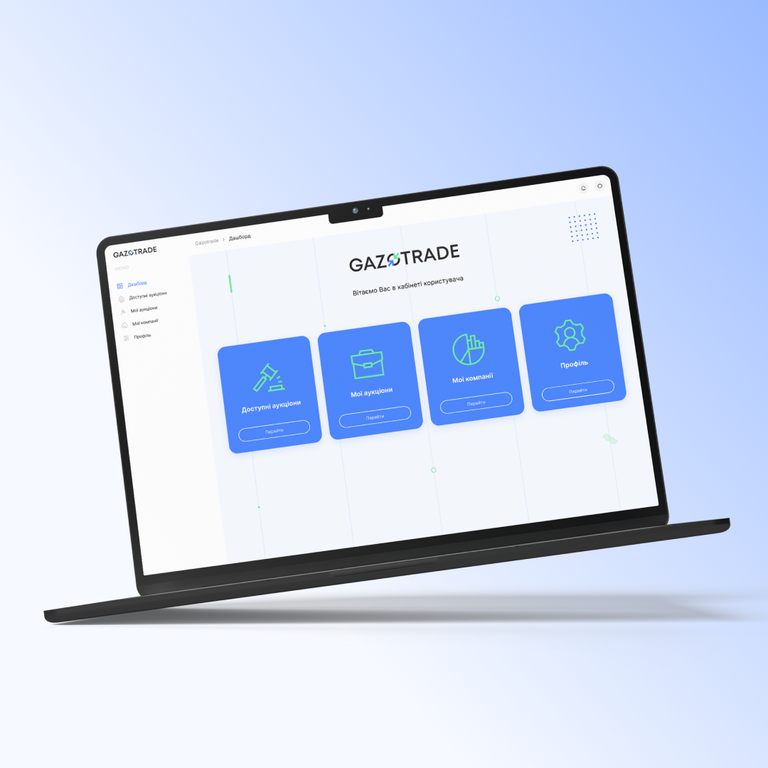
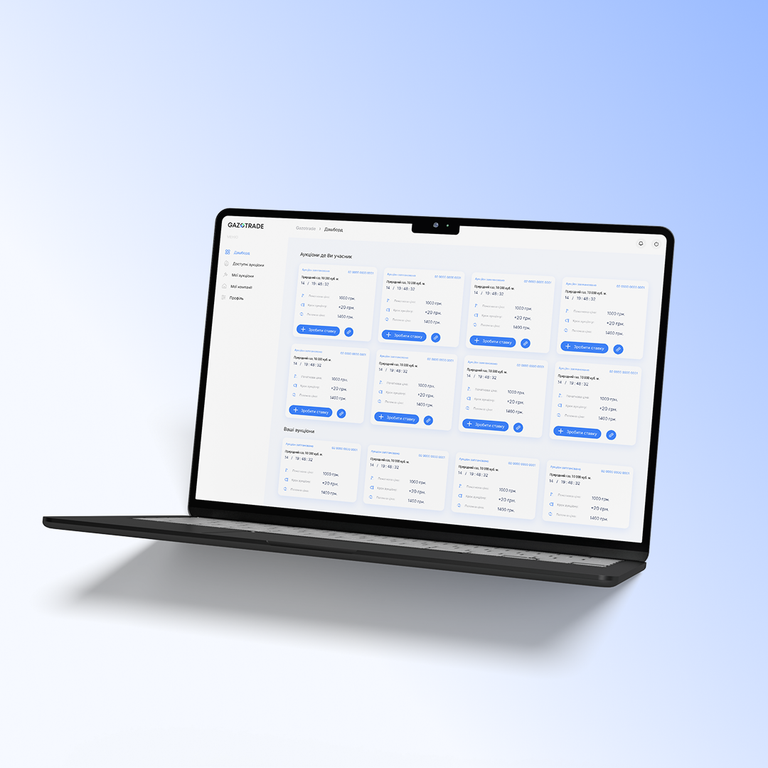
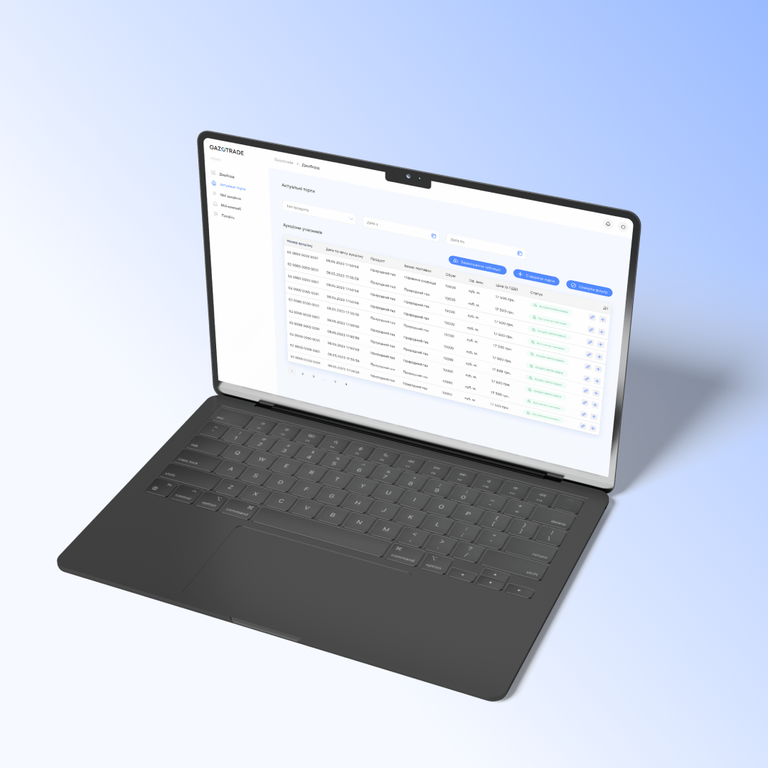
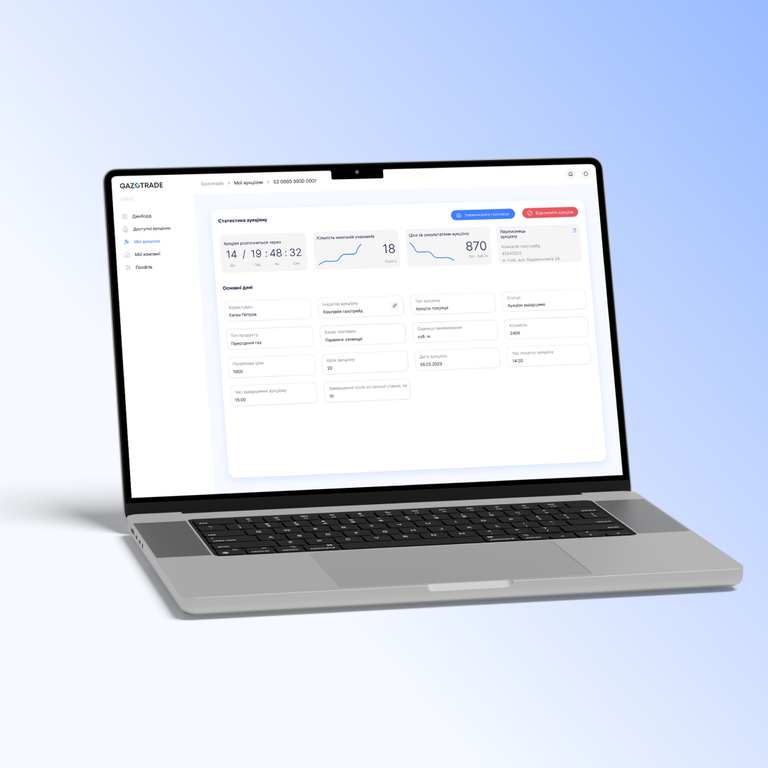
Our case portfolio includes role-based SaaS and FinTech products in which API design, business rules, integrations, authorization, data, and production reliability are central. Each linked case should be read for the capabilities its record actually demonstrates. We do not infer unverified scale, revenue, compliance certification, or performance outcomes from a technology label.
For a new engagement, evidence comes from the system itself: repository and runtime inspection, domain and data maps, API traffic, query plans, traces, incidents, dependency state, security findings, test behavior, deployment history, provider contracts, support workarounds, and production objectives. We use this evidence to identify a bounded result and define what acceptance will prove.
Experience is also visible in what remains after delivery: client-controlled repositories and environments, current architecture decisions, typed and tested contracts, reversible migrations, operable pipelines, useful telemetry, runbooks, recovery exercises, and engineers who understand the product boundaries. The durable outcome is a backend the client can continue to change rather than a dependency on one vendor or individual.








Ways to Work with Our NestJS Team
Choose a format that matches the current technical problem, delivery scope and level of ownership.
01
Architecture Audit
Review architecture, code, data, integrations, security and operations, then prioritize the highest-value changes.
02
Focused Backend Initiative
Deliver a defined migration, integration, performance improvement or backend module with agreed outcomes.
03
Team Extension
Add senior NestJS capacity to an established team, architecture, backlog and release process.
04
Ongoing Backend Ownership
Use a stable team for continuous architecture, API, integration, platform and production development.
Choose the Smallest NestJS Engagement That Resolves a Real Risk
Start with a focused review of the desired outcome, architecture, runtime, dependencies, ownership, and acceptance. The answer may be an audit, production repair, modernization slice, new capability, or added engineering capacity.
How NestJS Development Moves from Context to Production
- /01Establish the Technical and Product ContextReview goals, critical journeys, code, runtime behavior, data, integrations, infrastructure, delivery, incidents, owners, constraints, and available evidence.
- /02Bound the Architecture and First ResultDefine domain and trust boundaries, contracts, data authority, controls, migration, team responsibilities, acceptance evidence, and the smallest valuable outcome.
- /03Deliver Reviewable Vertical SlicesImplement across API, domain, data, providers, tests, telemetry, and operator recovery; review working evidence and keep changes compatible and reversible.
- /04Validate Integration and Production BehaviorExercise critical, denied, duplicate, delayed, partial, and recovery paths; verify migrations, provider behavior, deployment, monitoring, and operating procedures.
- /05Operate, Learn, and Transfer OwnershipMeasure journeys and service objectives, learn from incidents and support, keep dependencies current, improve the next constraint, and transfer access and knowledge continuously.
Backend Engineering Beyond Framework Code
NestJS is one part of the system. Architecture decisions must also account for the <a href="/angular-development-services">Angular frontend</a>, databases, external providers and the <a href="/azure-cloud-development-services">Azure environment</a> where the product is delivered.
01
Clear domain boundaries
Modules, services and data access follow business responsibilities so the backend remains understandable as features and teams grow.
02
Reliable APIs and integrations
Explicit contracts, validation, versioning, idempotency, error handling and provider adapters control external complexity.
03
Consistent security controls
Authentication, authorization, input validation, audit trails, secret handling and least-privilege access are designed as system concerns.
04
Production-ready operations
Testing, logging, tracing, metrics, queues, retries, deployment and recovery procedures support safe change after launch.
NestJS Backend Engineering Stack
Technologies and engineering practices used across maintainable NestJS backend products.
01
Backend
NestJS, Node.js, TypeScript
02
APIs
REST, GraphQL, WebSocket
03
Data
PostgreSQL, MySQL, MongoDB, Redis
04
Messaging
RabbitMQ, Kafka
05
Infrastructure
Docker, Kubernetes, Azure
06
Quality
Jest, integration testing, monitoring
NestJS Development FAQ
Can your NestJS engineers join an existing backend team?
Can your NestJS engineers join an existing backend team?
Can an existing Node.js backend be migrated to NestJS incrementally?
Can an existing Node.js backend be migrated to NestJS incrementally?
Do you build both APIs and complete backend platforms?
Do you build both APIs and complete backend platforms?
Is NestJS suitable for SaaS and FinTech products?
Is NestJS suitable for SaaS and FinTech products?
Can GARNO.TECH also deliver Angular and Microsoft Azure work?
Can GARNO.TECH also deliver Angular and Microsoft Azure work?
How do you estimate a NestJS engagement?
How do you estimate a NestJS engagement?
Who owns the code and infrastructure configuration?
Who owns the code and infrastructure configuration?
NestJS Backend Engineering Insights
Build a NestJS Backend Your Team Can Continue to Own
Describe what you are building, modernizing, or trying to stabilize. GARNO.TECH can define the boundary, delivery evidence, production controls, and knowledge transfer for a practical next step.
Publications
Our research
Research and development of AI-powered solutions to optimize business workflows and enhance decision-making processes.
Analysis of machine learning models for predictive analytics in finance, e-commerce, and SaaS platforms.
Exploration of natural language processing and computer vision technologies to strengthen automation, personalization, and customer support.
NestJS Development Cost: Scope, Team, Timeline, and Pricing
Estimate a NestJS project through delivery scope, uncertainty, integrations, quality, team composition, schedule, commercial model, and total ownership cost.

9 min read
05 Aug 2026
Designing REST, GraphQL and Distributed APIs with NestJS
Design NestJS APIs around business boundaries, authoritative contracts, REST and GraphQL trade-offs, asynchronous communication, security, reliability and operating ownership.
9 min read
05 Aug 2026
Angular with NestJS: Production Full-Stack Architecture
Design Angular and NestJS around clear authority, generated API contracts, secure authentication, recoverable errors, state consistency, SSR boundaries, end-to-end observability and compatible releases.

9 min read
08 Sep 2026