/ 01
Design for Real Device Behavior
Shape navigation, input, accessibility, permissions, lifecycle, interrupted journeys, and recovery around observed users and the actual constraints of supported devices and platforms.
A mobile application earns its place when portability, personal context, notifications, camera or document capture, biometrics, location, offline work, or immediate access creates value that a responsive website cannot deliver as well. The first question is therefore not “iOS, Android, or both?” but “Which repeated user problem becomes meaningfully easier on a device?” Validate the journey, frequency, consequence, and adoption path before turning a feature inventory into two long-lived software products.
Mobile delivery includes more than the interface installed from a store. Identity, APIs, data ownership, permissions, local storage, synchronization, analytics, customer support, release accounts, signing, privacy declarations, store policy, monitoring, and operating responsibility form one system. A polished screen cannot compensate for an unreliable backend, ambiguous offline state, inaccessible interaction, or a team unable to diagnose a failed payment after launch.
Define success in observed behavior: a qualified user completes onboarding, a field worker finishes a job without dependable connectivity, a customer returns after a useful notification, or an existing service moves a critical journey from assisted to self-service. Pair product measures with reliability, security, accessibility, performance, and support guardrails. Build the smallest vertical slice that proves the riskiest complete journey on real devices and real integrations, then widen scope from evidence.
Customer applications can connect accounts, purchases, subscriptions, service requests, loyalty, and support into an ongoing relationship. Employee and field applications can guide inspections, sales, inventory, maintenance, delivery, or clinical workflows where device context and intermittent connectivity matter. Financial products may combine identity verification, accounts, cards, wallets, transfers, approvals, notifications, and evidence-heavy recovery. Companion applications extend a platform, device, or membership service. Modernization may repair unstable code, outdated dependencies, inaccessible experiences, fragile APIs, or a release process that no longer satisfies platform requirements.
Each category still needs a narrower product thesis. Identify primary users, the critical moment, existing workaround, trust barrier, data sensitivity, business owner, channel strategy, and the metric that would justify continued investment. Research behavior in context, prototype uncertain interactions, and test acquisition and retention assumptions. An application that is easy to download but has no repeated reason to open will not be rescued by more features.
Choose the delivery approach from journeys and constraints rather than a general promise about speed. Cross-platform development is often effective when most product behavior is shared, platform adaptations are bounded, device integrations are supported, coordinated releases are desirable, and the team can own the framework and native bridges. Shared code can reduce duplicate implementation, but it does not remove platform design, testing, signing, permissions, accessibility, store policy, or lifecycle work.
Native development is stronger when platform-specific interaction differentiates the product; demanding graphics, media, Bluetooth, sensors, background execution, widgets, wearables, or specialized SDKs dominate; performance or package constraints are strict; or platform release cycles need independent ownership. Native also carries two codebases and skill paths. The relevant comparison is total product capability, release risk, maintenance, and team fit—not the percentage of code claimed as shared.
Test the decision with a representative slice: authentication, one hard device capability, API integration, local persistence, navigation, diagnostics, accessibility, and release build on the oldest and newest supported conditions. Record assumptions and a review trigger. A hybrid architecture can be valid: shared product logic with native shells or modules, or separate implementations for one differentiating journey. Architecture should preserve the product’s options without forcing every future feature through today’s framework choice.
A responsible scope connects discovery to operation. Product deliverables can include research evidence, prioritized journeys, assumptions, prototype, accessibility criteria, content and error behavior, analytics plan, and measurable outcomes. Design deliverables include flows, platform-aware components, states, responsive rules, motion where useful, and a maintainable design system. Engineering deliverables include application source, API and backend changes, data and synchronization rules, infrastructure definitions, configuration, migrations, tests, diagnostics, and dependency decisions.
Quality and release are first-class outputs: risk-based test strategy, supported device and OS matrix, representative accounts and data, signing and build configuration, privacy declarations, store assets, review notes, staged-rollout plan, monitoring, incident path, and post-launch acceptance. Operational handover includes client-controlled repositories and accounts, access inventory, architecture and decision records, runbooks, provider contacts, licensing, known risks, support boundaries, and an actual release performed by the receiving team.
Estimate only after clarifying platforms, journeys, designs, backend readiness, integrations, device functions, data sensitivity, offline behavior, localization, accessibility, QA matrix, store work, analytics, and support. Express uncertainty separately from effort. A bounded discovery or technical spike should resolve expensive unknowns before the main commitment. Milestones should accept working end-to-end behavior and evidence, not screens that remain disconnected from identity, data, failure, and release.
Authentication must define enrollment, trusted-device changes, session duration, refresh, revocation, recovery, step-up checks, and behavior when the device clock or network is unreliable. Biometrics should unlock a protected local credential or step, not become a server identity claim by themselves. Keep secrets out of source and ordinary storage, minimize sensitive local data, protect screenshots and logs where consequence warrants it, and enforce authorization on the server for every resource and action.
Offline behavior needs product semantics. Decide what can be read, created, edited, queued, retried, or reversed without connectivity; how freshness is shown; which device or server version wins; how duplicate requests are prevented; and how conflicts reach a human. Use idempotency and explicit synchronization state for consequential actions. “Offline support” without these rules often creates silent data loss or double submission.
Permissions, camera and documents, deep links, push notifications, background work, and location all need denied, restricted, expired, interrupted, and unsupported states. Ask for a permission at the moment its value is clear and offer a useful alternative where possible. Treat deep links and notification payloads as untrusted input. Make background work observable and resilient to operating-system suspension rather than relying on desktop assumptions about continuous execution.
Instrument the journey without turning personal data into exhaust. Define event ownership, purpose, schema, consent or legal basis, retention, access, and deletion. Add crash reporting, performance traces, release identifiers, logs with correlation but without secrets, and alerts tied to user harm. Segment signals by application version, platform, OS, device class, region, cohort, and critical integration so a global average does not hide a broken rollout.
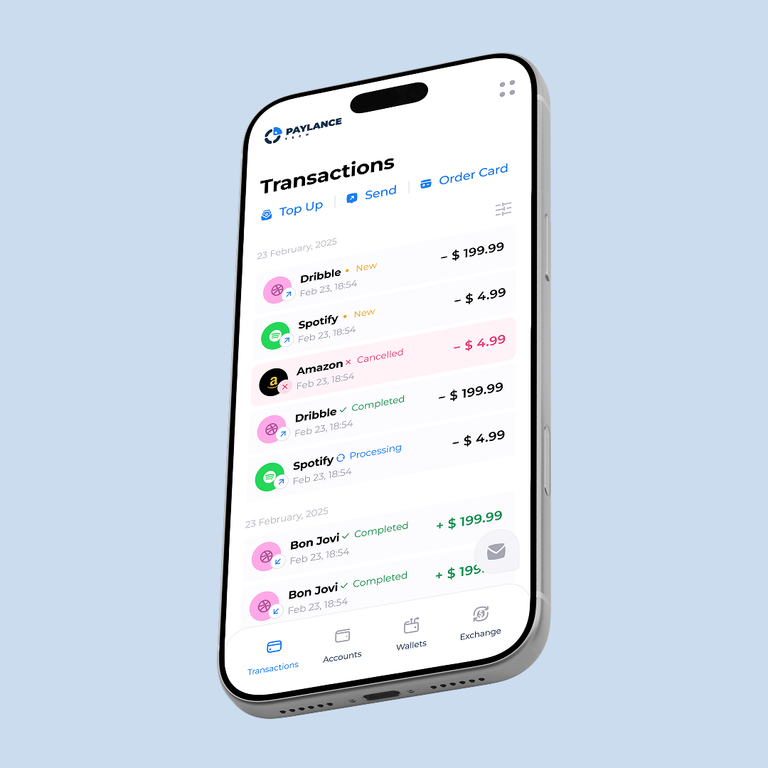
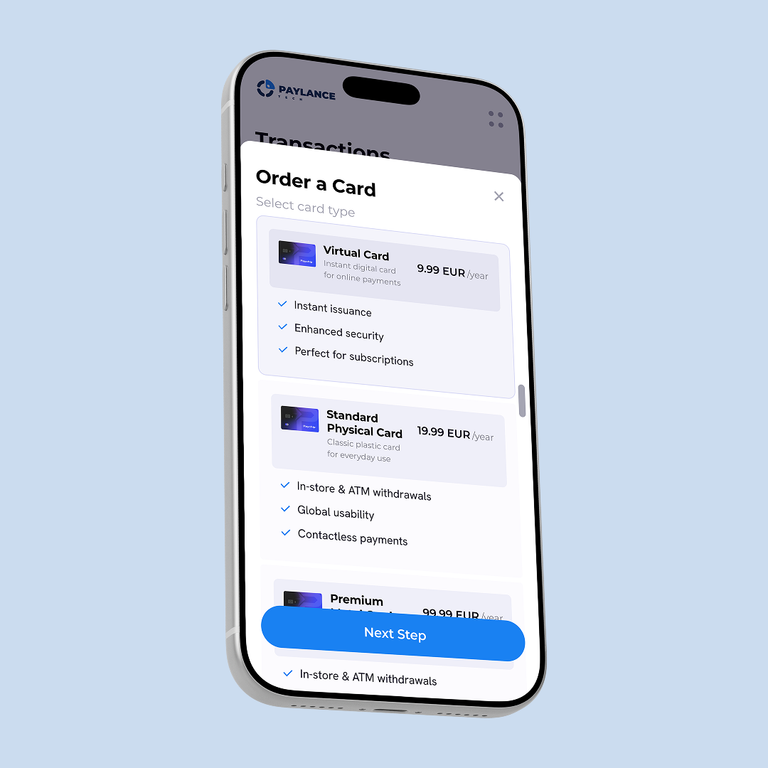
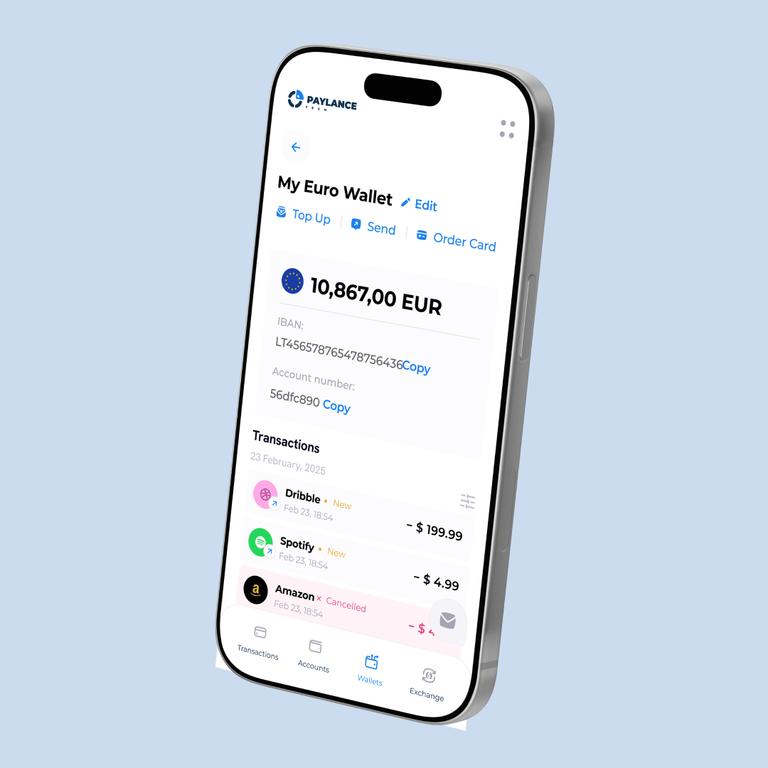
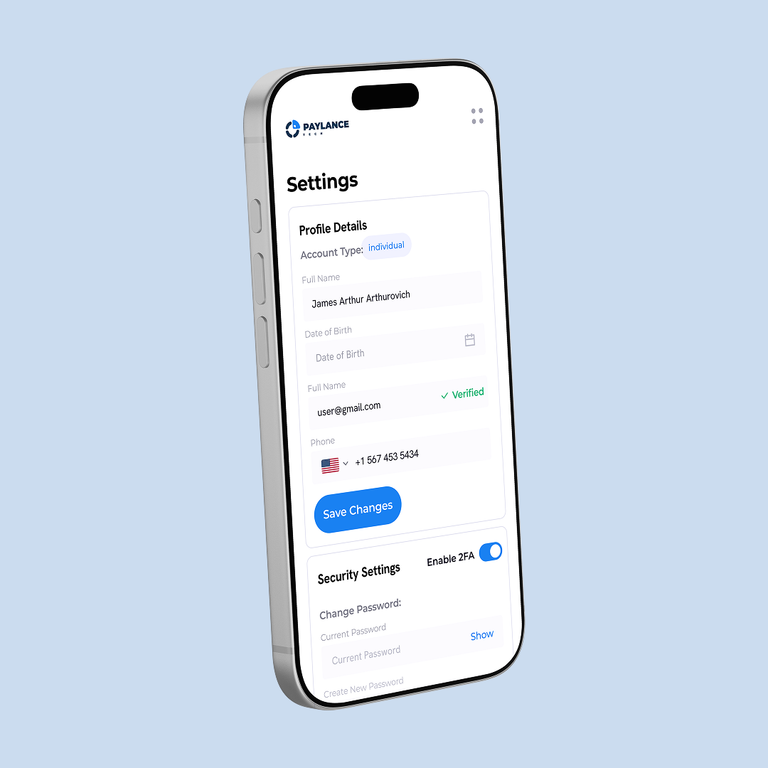
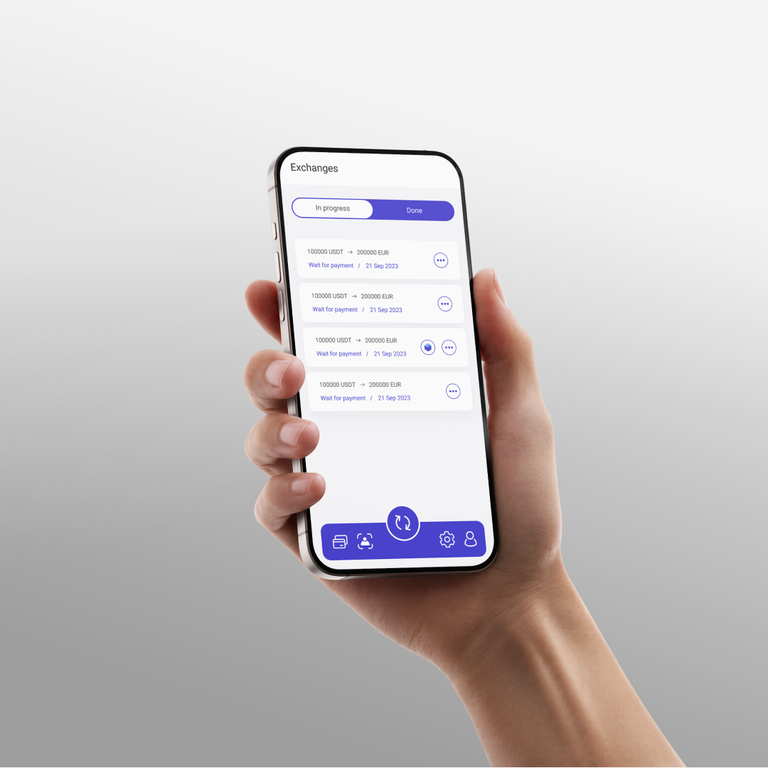
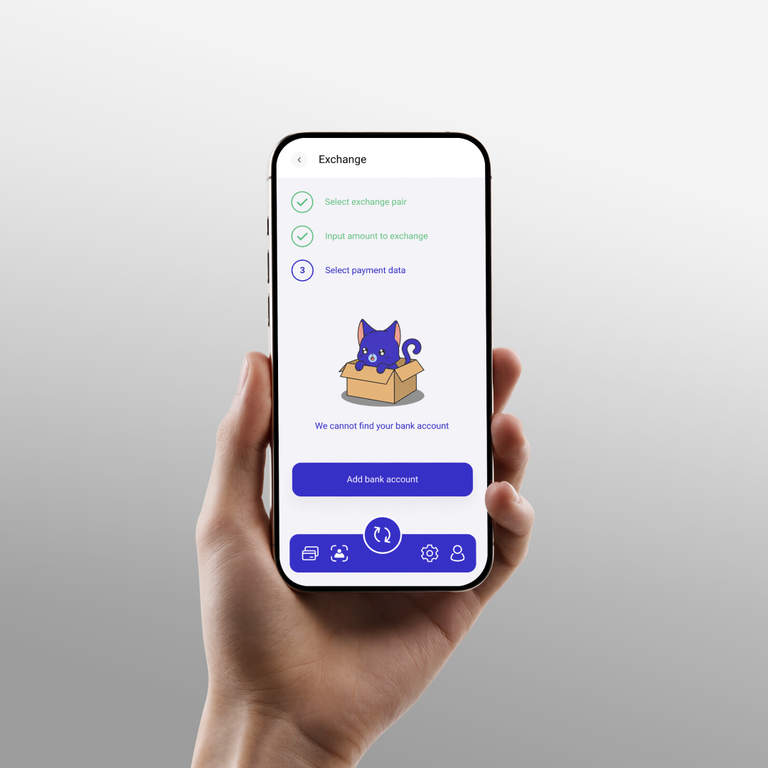
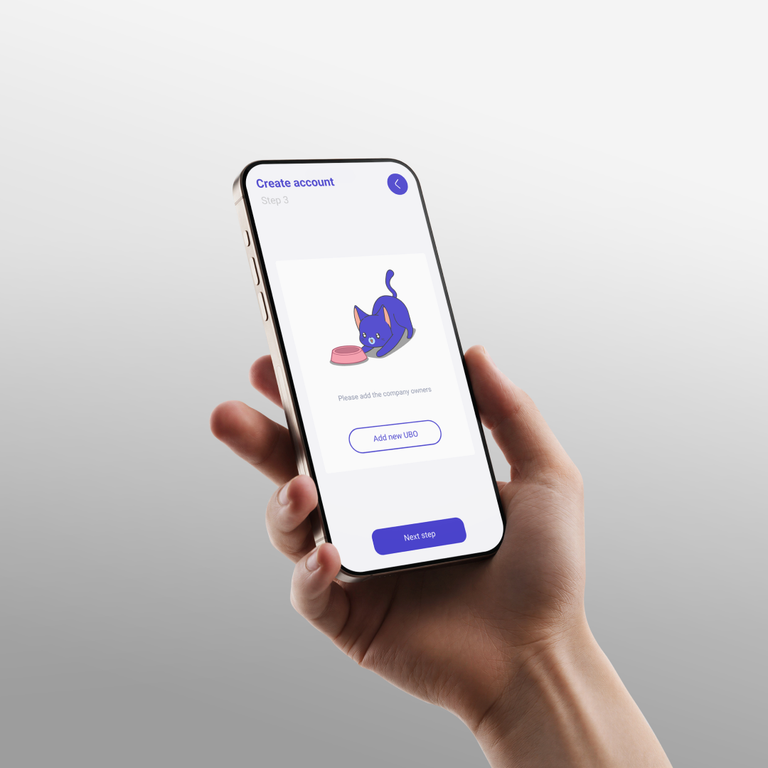
GARNO.TECH records document mobile product strategy, UX research, design, application development, backend integration, and quality assurance for complex financial journeys. Paylance Mobile included onboarding, KYC and KYB, accounts, wallets, payments, cards, biometrics, and notifications. Bonum 24 Mobile included crypto-to-fiat journeys, identity checks, exchange calculation, wallet and bank details, transaction tracking, and recovery from interrupted flows. The case records below provide the bounded evidence; they should be read for the actual roles and delivered scope rather than as a universal promise about every mobile engagement.
The transferable lesson is architectural. Financial journeys cross the device, identity and verification providers, backend rules, balances, payment or exchange services, notifications, analytics, and support. The mobile interface must make asynchronous and failed states understandable without asserting success before the server has accepted an operation. Quality work therefore exercises expired sessions, duplicate actions, network changes, provider delay, app termination, background transitions, denied permissions, older devices, and recovery—not only the happy path captured in a design.
Treat the mobile application and backend as one user journey with explicit ownership on both sides of the API. Define authentication, authorization, versioning, pagination, idempotency, errors, rate limits, timeouts, retries, webhooks, data freshness, deprecation, and observability before client and server assumptions diverge. A mobile client can remain installed for months, so compatible change and minimum-supported-version policy matter. Where suitable, the scope can include a NestJS backend and deployment on Microsoft Azure; technology follows workload and team evidence.
Use a risk-based quality model. Unit and component tests protect deterministic logic; API contract and integration tests protect boundaries; end-to-end tests cover a small set of critical journeys; manual exploratory and accessibility work finds behavior automation misses. Test a documented matrix of supported OS versions, representative devices, screen sizes, languages, accessibility settings, permissions, network conditions, account states, upgrades, fresh installs, and interruptions. Manual QA, QA automation, and load testing address different risks.
Build signed release candidates through reviewed automation, promote traceable artifacts, separate environment configuration and secrets, and keep store accounts under agreed ownership. Prepare privacy information, screenshots, descriptions, review credentials, export or content declarations, support contacts, and response ownership. Store approval remains an external decision; the team controls submission quality, prompt evidence, and correction.
Release progressively where platform controls allow, observe crash-free use, latency, critical API failures, journey completion, support demand, and business guardrails by version. Define stop, rollback, feature-disable, and forward-fix conditions before launch. Afterward, own OS and dependency updates, certificates, provider changes, store policy, security findings, analytics review, performance, incidents, and product evolution. A mobile product is finished only when a named team can operate and safely change it.